AI Feature

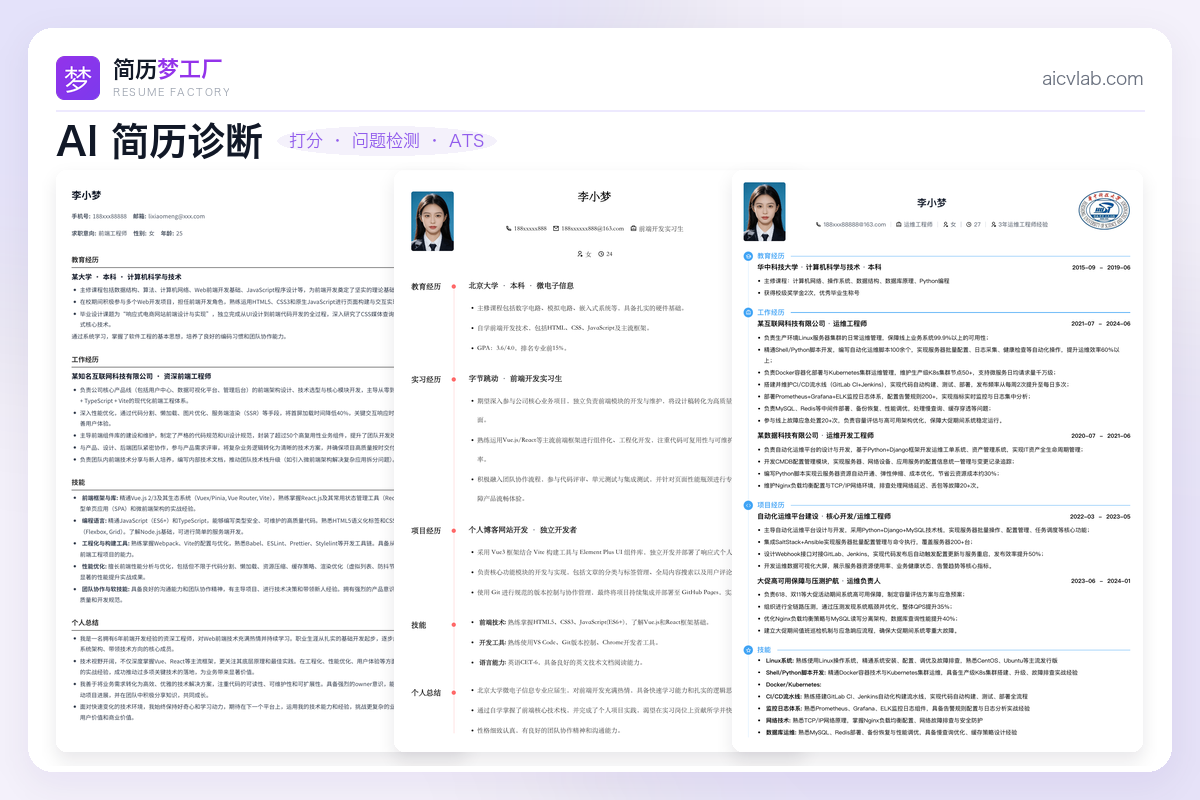
AI Resume Review

Get a clear checklist across job match, structure, and measurable results.

AI resume diagnosisresume scoringresume issue analysisresume match rate

Match Diagnosis

Assess JD keyword coverage and experience relevance to find core gaps.

Structure Diagnosis

Check module order, information completeness, and how well key points stand out.

Outcome Diagnosis

Locate experience entries that lack quantified data and business results.

Industry Data Insights

Pace of Skill Change

Nearly 40% of core skills will change by 2030

WEF data suggests resumes need continuous updates; a diagnosis system's value lies in constantly surfacing gaps between old versions and current job requirements.

Source: World Economic Forum

Employment Service Policy

At least 1 career session + 3 job referrals

China's youth employment service framework emphasizes fine-grained guidance, so an AI diagnosis page should also provide an actionable checklist built around problem localization and action advice.

Source: gov.cn (2025 Youth Employment Notice)

In-Depth Methods

Diagnosis Priority Framework (fix in this order)

The top priority is job match: if keyword coverage for the target role is insufficient, other optimizations rarely produce a noticeable effect.

The second priority is outcome expression: missing result data reduces credibility. The third priority is layout and readability, ensuring information can be scanned quickly.

  • Fix missing keywords and experience-to-role irrelevance first.
  • Then fill in quantified metrics and key action descriptions.
  • Finally, fine-tune tone of voice and visual layout.

Diagnosis Result Fix Checklist

Fix high-impact items first

Handle job match and outcome expression issues before style and layout details.

Change one issue type per round

Avoid changing everything at once, which causes inconsistent style. Iterate in rounds.

Re-test after fixing

Run a second diagnosis after each round to confirm the issue is truly resolved.

Keep a version record

Retain before/after versions to support continuous optimization and review.

Case Studies (Before & After)

Data Analyst Role

Fixing insufficient job match

Before

The resume mostly describes business execution processes and lacks analytical modeling and metric breakdown skills.

After

Added descriptions of A/B testing, funnel analysis, and retention cohorts, plus data on conversion lift and retention change.

Outcome: The report's "insufficient job match" dropped from high risk to low risk.

Campus Recruiting (General)

Poor structure causing reading difficulty

Before

Education, projects, and skills are interleaved, scattering key information.

After

Reordered to "target role - core projects - skills - education," placing representative projects up front.

Outcome: Readability improved significantly; HR can locate the candidate's value on the first screen.

Practical Tips

The value of diagnosis is helping you fix the issues that most affect application outcomes first, rather than doing surface-level polishing.

Recommended Workflow

  • Run a diagnosis first and fix high-impact issues.
  • Then use AI optimization to fill in expression and keywords.
  • Finally export different resume versions by target role.

Common Pitfalls

  • Looking only at the score, not the reasons, prevents continuous improvement.
  • Ignoring role differences leads to misusing the same diagnosis conclusion.
  • Not re-testing after fixes makes it hard to confirm improvement.

FAQ

Does a higher diagnosis score guarantee passing the screen?

The score is a reference indicator; you still need to weigh role competition and interview performance.

Which part should I fix first after diagnosis?

We recommend fixing job match and outcome expression first, as these usually have the biggest impact.

How often should I run a diagnosis?

We recommend running one before applying to each new type of role to keep version quality high.

Diagnose First, Then Optimize

Use diagnosis to pinpoint issues, then combine AI optimization and template adjustments to build a stable resume iteration process.

Related Links

Templates to try after diagnosis

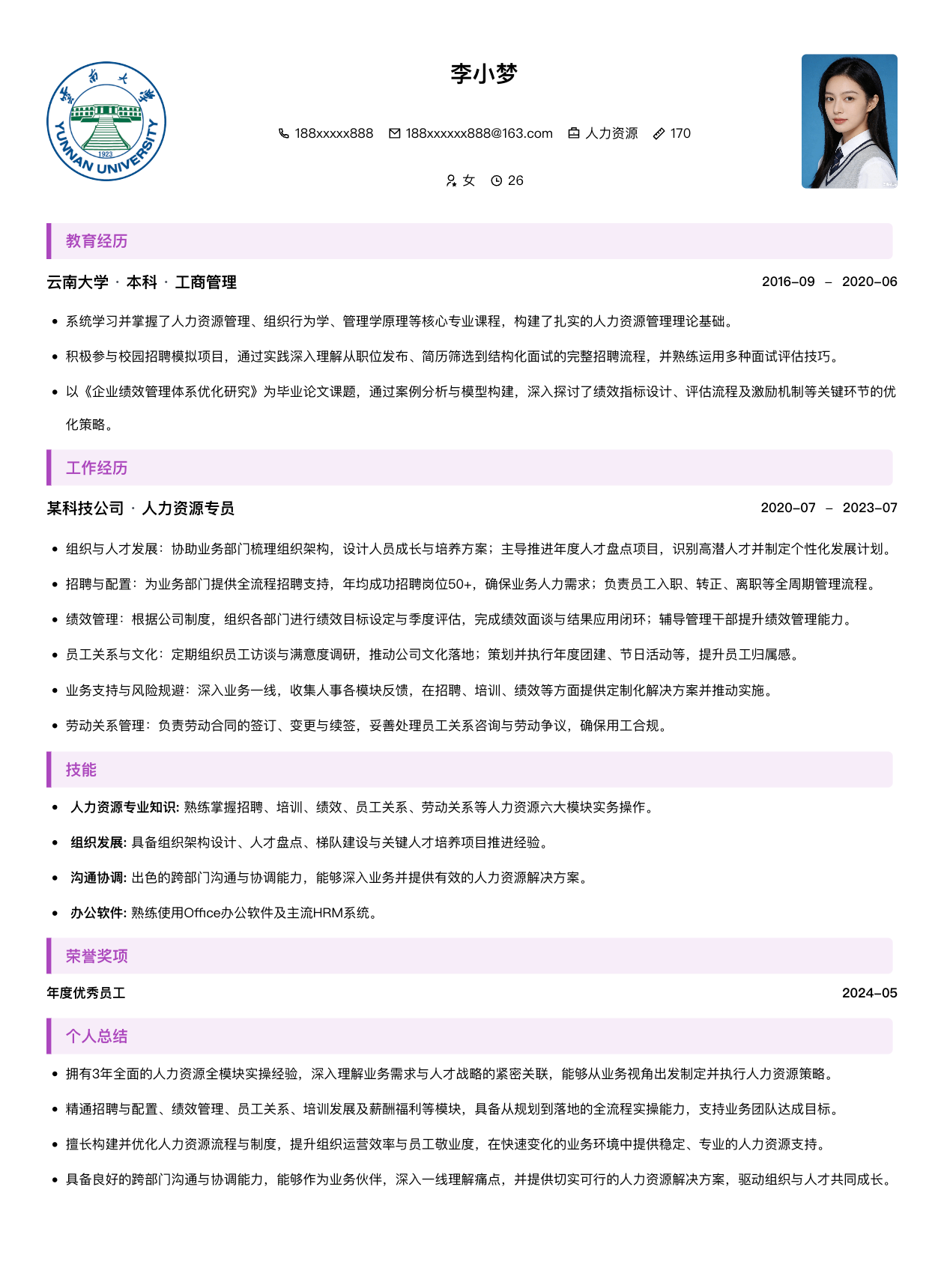
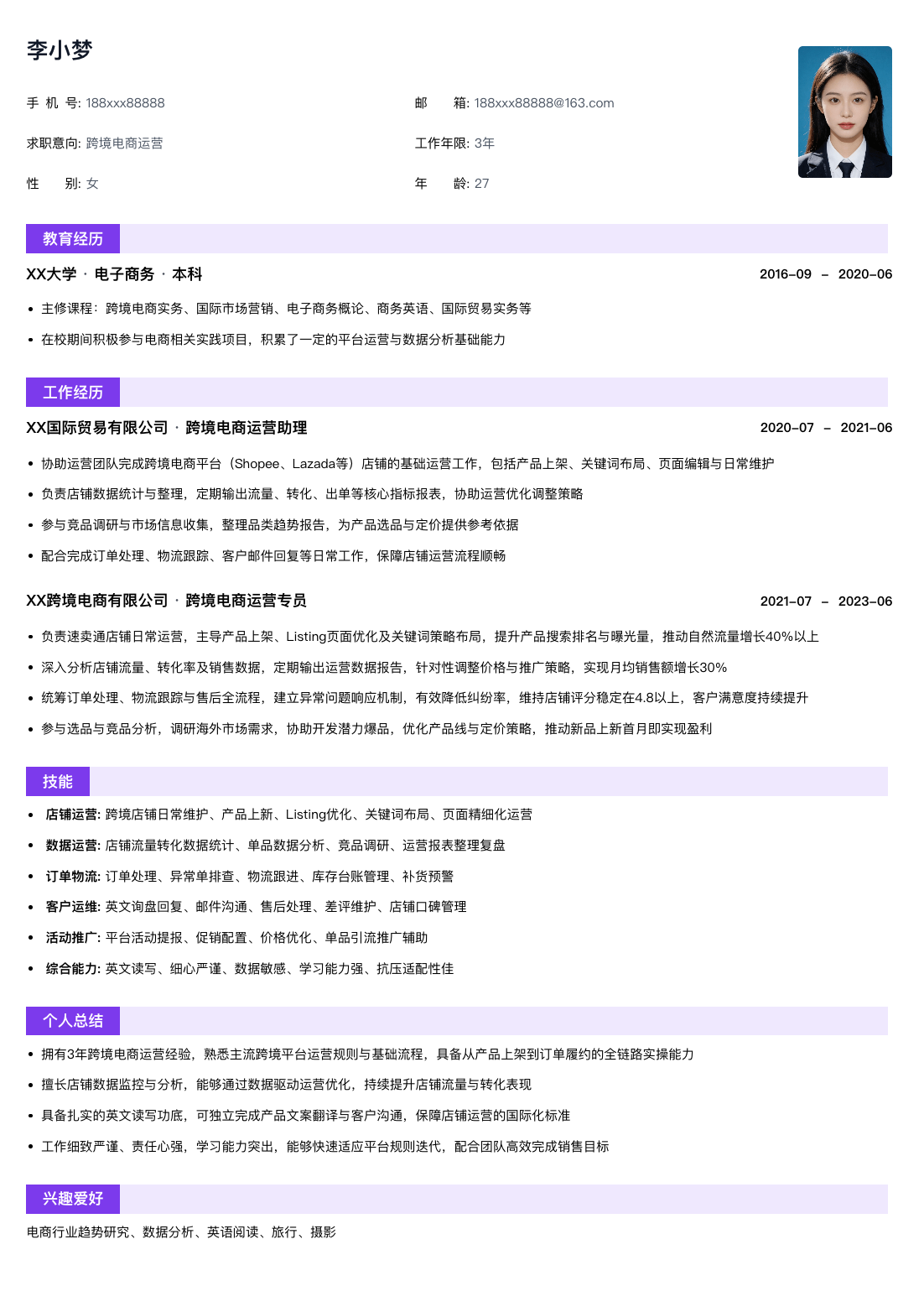
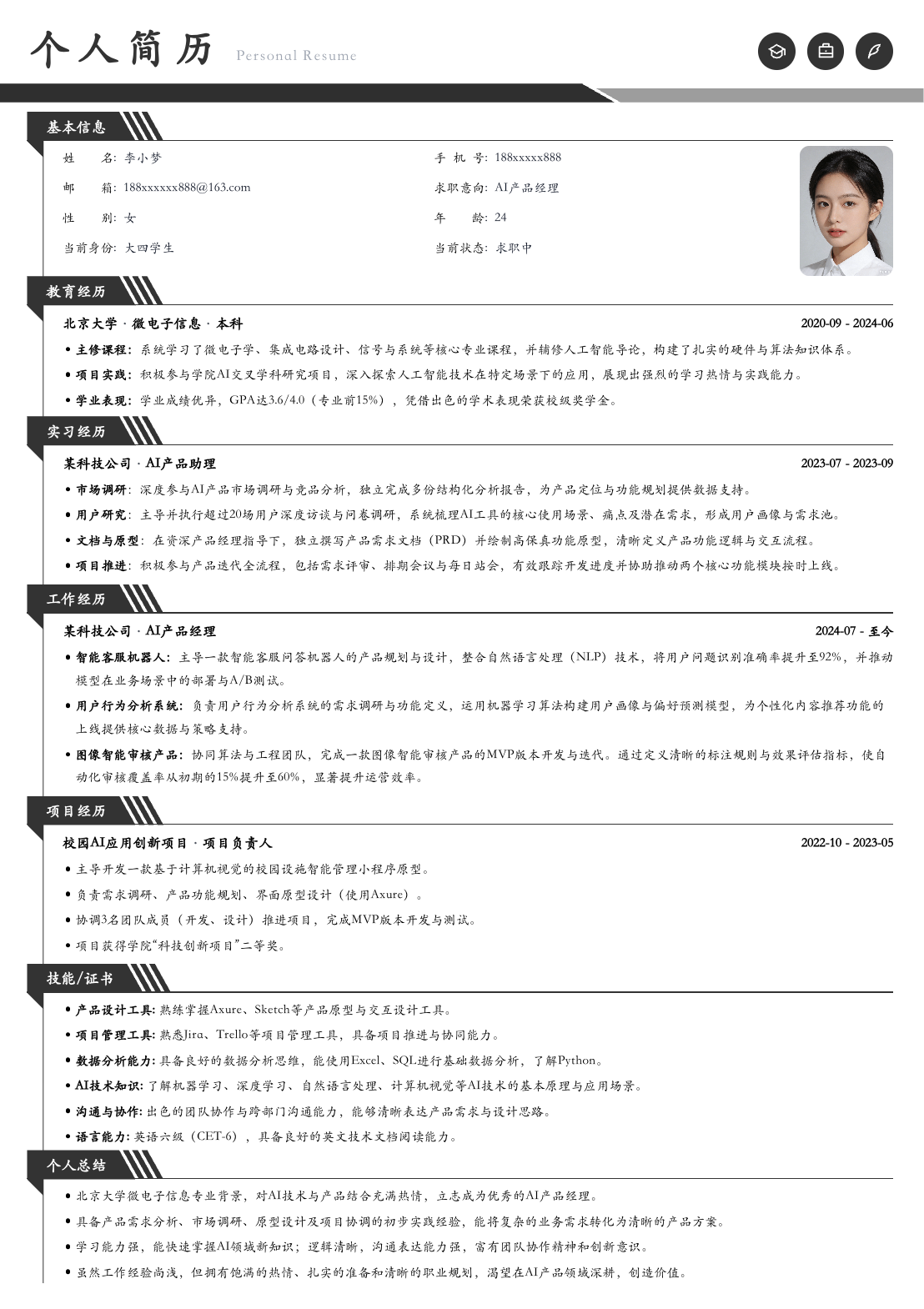
When restructuring your information hierarchy based on diagnosis results, these clearly structured templates are a good starting point.

View all templates

References